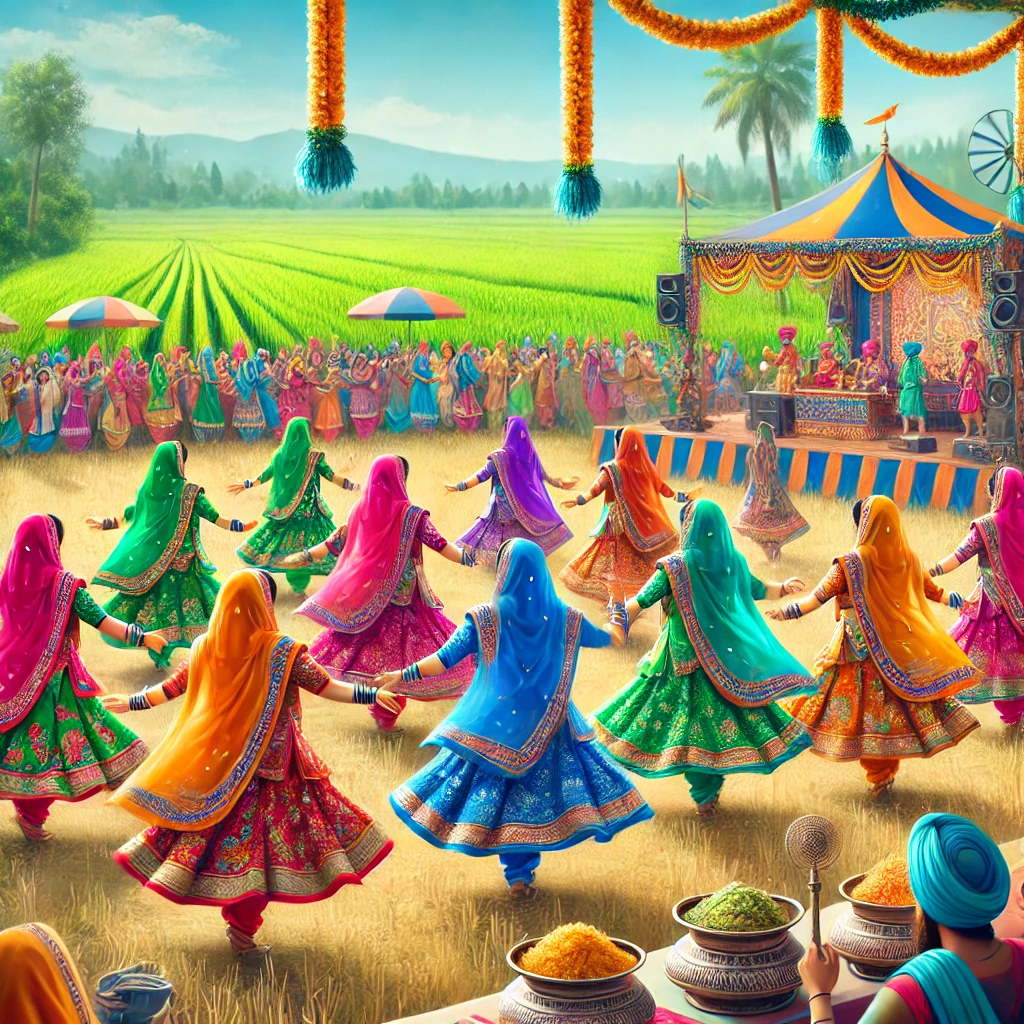
India is a land of diverse cultures and colorful traditions. Among its many festivals, Teej holds a special place in the hearts of women. Celebrated mainly in the northern and western states like Rajasthan, Uttar Pradesh, Bihar, and Punjab, Teej honors the reunion of Lord Shiva and Goddess Parvati.
It’s not just a religious event—it’s a festival of strength, hope, and eternal love.
What is Teej?
Teej is a Hindu festival dedicated to Goddess Parvati, who is believed to have fasted for many years to win the love and companionship of Lord Shiva. Her devotion and determination paid off, and they were eventually united in marriage.
To honor this divine love, women observe fasts and perform rituals, asking for the well-being of their husbands or wishing for a good life partner. The festival is marked by singing, dancing, and dressing up in bright traditional clothes.
Types of Teej Festivals
There are three main types of Teej festivals:
1. Hariyali Teej
Celebrated during the monsoon season, usually in July or August, Hariyali Teej is popular in Rajasthan and Madhya Pradesh. It marks greenery, rain, and the start of new life. Women wear green clothes, apply henna, and enjoy swings hung from trees.
2. Kajari Teej
This Teej is observed around 15 days after Hariyali Teej. Women sing special Kajari songs that speak of longing and love. It is especially observed in parts of Bihar and Uttar Pradesh.
3. Hartalika Teej
Celebrated mostly in North India, especially by unmarried girls, Hartalika Teej focuses on the story of Goddess Parvati. Girls fast without water (Nirjala Vrat) to seek a loving and caring husband like Lord Shiva.
The Rituals and Celebrations
The charm of Teej lies in its beautiful customs. Here’s how the festival is typically celebrated:
- Fasting (Vrat): Women, both married and unmarried, observe a strict fast. Some don’t even drink water the whole day.
- Prayer and Pujas: Devotees worship Goddess Parvati and Lord Shiva, lighting lamps and offering sweets and flowers.
- Traditional Clothing: Women wear bright red, green, or yellow sarees and lehengas, symbolizing prosperity and fertility.
- Henna (Mehndi): Applying mehndi on hands and feet is a vital part of the celebration. It’s seen as a sign of love and good fortune.
- Swinging: Decorated swings are hung on trees, and women sing songs while swinging joyfully.
- Feasting (after fasting): After breaking the fast, families enjoy traditional sweets like ghewar, kheer, and malpua.
Cultural Importance
Teej isn’t just about rituals. It plays a major role in strengthening the bonds between families and communities. It’s a time when women come together, share stories, sing folk songs, and enjoy each other’s company.
In today’s fast-paced world, festivals like Teej help people stay connected to their roots. It’s also a reminder of the power of love, patience, and devotion.
Teej and Empowerment
While the festival is based on age-old traditions, it also highlights the strength and resilience of women. Observing a strict fast and performing rituals with full dedication is not easy. But women do it with pride and joy.
For unmarried girls, Teej is a festival of hope. For married women, it’s a way to express love and loyalty. But most importantly, it celebrates womanhood in all its glory.
Celebrating Teej Today
In modern times, Teej is not limited to villages or traditional families. It is widely celebrated in cities and even among the Indian diaspora across the world. From cultural programs to social gatherings, the spirit of Teej continues to grow.
Some families now blend tradition with comfort, choosing symbolic fasting or group pujas instead of strict observance. This shows that the essence of Teej remains strong, even as lifestyles change.
Final Thoughts
Teej is a celebration of life, love, and divine union. It’s a time for women to express devotion, connect with their culture, and enjoy a sense of community.
Whether you observe it by fasting, praying, or simply spending time with loved ones, Teej is a beautiful reminder of the power of devotion and togetherness. So this year, celebrate Teej not just with rituals, but with heart.